” Peace is not surrender,it is the disciplined pursuit of justice without turning every injustice into an excuse for destruction”.21September 2026
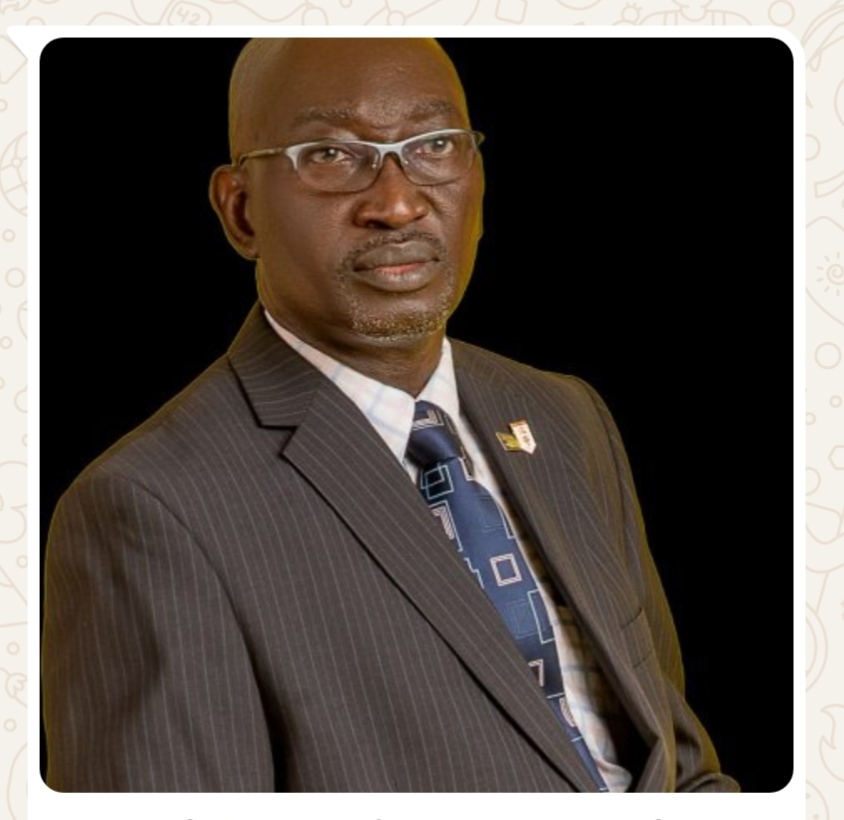
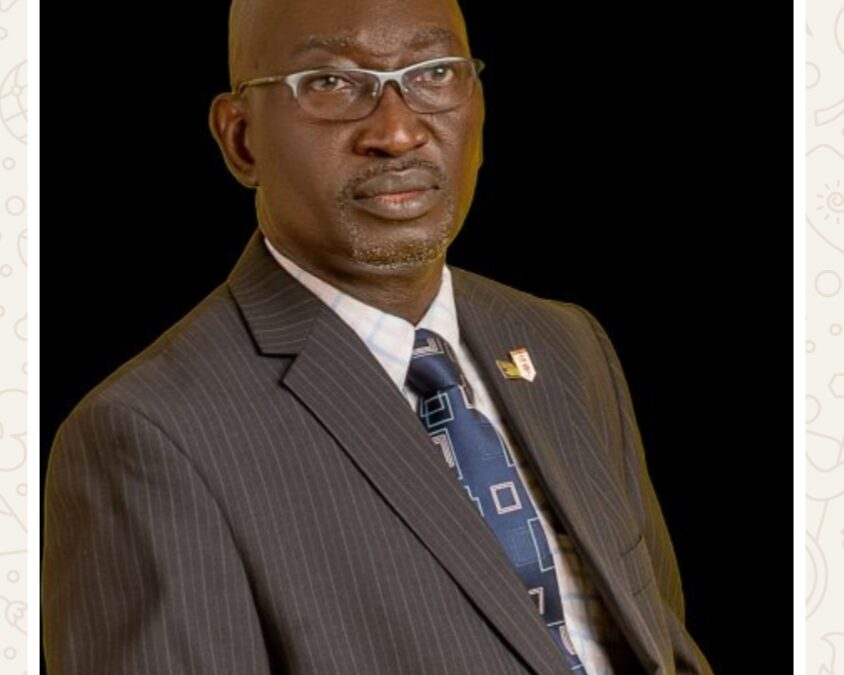
As the world commemorates the 2026 United Nations International Day of Peace, Amb/Dr Ayibaemi Ken-Fashola, KJW, has called for a fundamental rethinking of peacebuilding in Nigeria, arguing that sustainable peace must go beyond the absence of violence to embrace justice, dignity, economic opportunity, institutional accountability, truth, and meaningful dialogue.
Dr Ken-Fashola made the call in a lecture delivered on Monday, 21 September 2026, at the Peace Community Initiative to mark the United Nations International Day of Peace, with the theme:
“INVESTING IN PEACE — FOR EVERYONE, EVERYWHERE, EVERY DAY.”
He stressed that the theme should not be treated merely as a ceremonial slogan, but as a challenge to governments, institutions, communities, and individuals to deliberately invest in the conditions that make peaceful coexistence sustainable.
According to him, “silence is not necessarily peace,” noting that citizens can remain silent because of fear, exhaustion, economic vulnerability, or the absence of credible avenues for justice; which is predominantly the case in Nigeria.
Dr Ken – Fashola consequently drew a distinction between peace and pacification, explaining that while pacification may suppress the visible symptoms of conflict, genuine peace requires society to identify and address the grievances and injustices that produce conflict in the first place.
He further observed that the word investment in the United Nations theme is particularly significant because investment implies resources, planning, patience, and measurable returns.
He argued that investment in peace should yield security, social cohesion, economic productivity, political stability, institutional legitimacy, and human flourishing.
“Peace is therefore not simply a moral aspiration,” he stated.
“It is part of the infrastructure upon which a functioning society and economy depend.”
He noted that farmers cannot maximise productivity where insecurity threatens their livelihoods, businesses cannot confidently invest where violence and institutional uncertainty persist, and young people cannot fully realise their potential where fear and lack of opportunity dominate everyday life.
The lecture also highlighted what Dr Ken-Fashola described as Nigeria’s difficult peace paradox: the country desires peace, yet continues to confront conditions that can undermine it, including economic hardship, insecurity, unemployment, unequal access to opportunity, corruption, political exclusion, institutional distrust, and weak confidence in public institutions.
He emphasised that raising these issues is not an argument for violence or being confrontational, but an argument for deeper peacebuilding.
The peace advocate, who was also a consultant to INEC/EU on Electoral Alternative Dispute Resolution asked a fundamental question:
“How do we ask people to remain peaceful without simultaneously creating credible reasons for them to believe that tomorrow can be better?”
He maintained that serious peacebuilding must confront such questions rather than simply asking aggrieved citizens to remain silent.
“PEACE WITHOUT JUSTICE IS FRAGILE”
A major thrust of the lecture was the relationship between peace and justice.
Dr Ken-Fashola warned against confusing order with justice, noting that a society can be quiet while harbouring deep grievances and resentment.
He called for institutions capable of earning public confidence through fairness, professionalism, transparency, and accountability.
He identified the police, judiciary, electoral institutions, tax authorities, government, traditional institutions, religious organisations, media, and civil society as important components of Nigeria’s peace architecture.
According to him, institutions can either “manufacture peace or manufacture grievance.”
He therefore called for stronger institutions that are capable of restraining both the powerful and the powerless, protecting citizens’ rights, and providing credible avenues for resolving disputes.
Amb/Dr Ayibaemi Ken-Fashola also advocated what he described as a new social contract for peace between citizens and the State.
Under such a social contract, he said, citizens should be able to declare:
“I will obey the law because the law protects me.”
While government should equally be able to affirm:
“I will exercise authority because authority is entrusted to me, not because I own you.”
He argued that taxation, policing, political participation, and civic responsibility all become more sustainable when citizens perceive fairness, accountability, and reciprocal responsibility within the social contract.
The lecture further called for greater investment in Nigeria’s young people.
Dr Ken-Fashola cautioned against treating young Nigerians merely as electoral crowds or instruments of political mobilisation and conflict.
Instead, he urged stakeholders to invest in their education, entrepreneurship, employment, innovational skills, civic participation, and leadership opportunities.
These will enable young Nigerians to become active contributors to national development and peacebuilding.
The peace advocate distinguished between peacekeeping and peacebuilding.
While peacekeeping seeks to prevent conflict from escalating into violence, he explained that peacebuilding goes further by asking why the conflict occurred and what must change to prevent its recurrence.
“Peacekeeping can create temporary space,” he said. “Peacebuilding must use that space to construct something better.”
He therefore called for genuine dialogue in which disagreement is permitted, truth can be expressed, grievances can be documented, and compromise does not require the weaker party to surrender dignity.
In perhaps one of the lecture’s strongest messages, Dr Ken-Fashola argued that choosing peace should never mean abandoning truth or justice.
He stated:
“Peace is not surrender. Peace is the disciplined pursuit of justice without turning every injustice into an excuse for destruction.”
He challenged citizens to resist injustice without becoming unjust, demand accountability without dehumanising opponents, disagree without turning opponents into enemies, and pursue social and political change without destroying the society they seek to improve.
A CALL TO EVERYONE, EVERYWHERE, EVERY DAY:
Concluding the lecture, Sir/Dr Ayibaemi Ken-Fashola called on governments, political leaders, traditional rulers, religious leaders, civil society organisations, businesses, the media, and ordinary citizens to recognise that peace is a shared responsibility.
He urged Nigerians to invest in peace through:
Justice and fairness;
Economic dignity and opportunity;
Accountable and trustworthy institutions;
Education and youth empowerment;
Truth and responsible communication;
Genuine dialogue and tolerance;
Responsible citizenship; and
Respect for human dignity.
He stressed that peace must not be left exclusively to governments, security agencies, or professional peacebuilders.
“Peace begins not only in diplomatic halls but in homes, schools, workplaces, neighbourhoods, religious institutions, political spaces, and everyday human interactions.”
The central challenge, he said, is therefore not merely to ask whether people want peace, but to ask:
“What are you investing in today that will make peace more possible tomorrow?”
Dr Ayibaemi Ken-Fashola urged Nigerians to build a country where disagreement does not destroy society, grievances have credible channels for resolution, the powerless can be heard, institutions can be trusted, and justice, dignity and opportunity make peace worth choosing.
Amb/Dr Ayibaemi Ken-Fashola, KJW:
He is a UN Peace Ambassador, former Chairman of the Global Peace Foundation Advisory Council in Nigeria and current Board Member of the organisation. He is also the 3rd Vice Dean of the Peace Ambassadors in Nigeria, a former National Deputy President of the Institute of Chartered Mediators and Conciliators and a Life Member of the Institute, with extensive engagement in peacebuilding, mediation, conflict resolution, electoral alternative dispute resolution, civic affairs and public advocacy.
Media Contact:
Amb/Dr Ayibaemi Ken-Fashola, KJW
Email: drkenfash@gmail.com