

On The Frontline With Boma
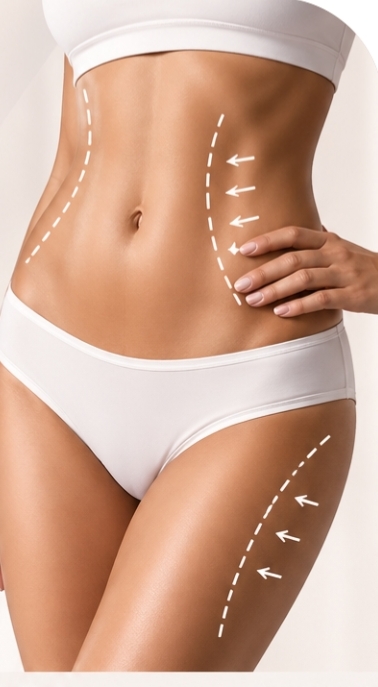
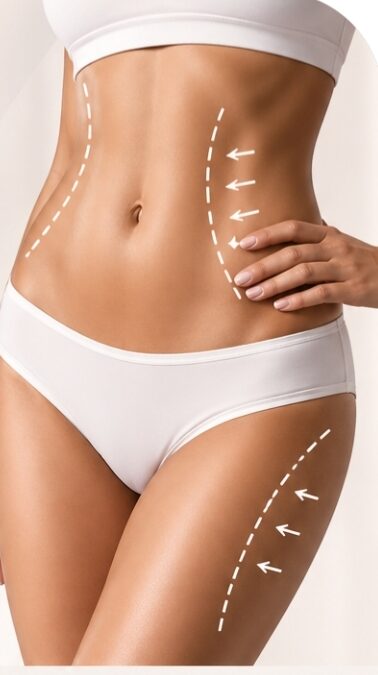
In a world where appearance is increasingly gaining currency, beauty has quietly transformed from a natural attribute into a constructed ideal—one that can be bought, sculpted, and, increasingly, surgically engineered. Across social classes, from celebrities to ordinary young women, the pursuit of the “perfect body” has become almost obsessive. Cosmetic surgery, once a luxury whispered about in elite circles, has now moved into the mainstream, with procedures like liposuction, tummy tucks, and Brazilian butt lifts (BBL) becoming disturbingly commonplace.
But behind the polished images, carefully edited social media posts, and glamorous before-and-after photos lies a darker, often unspoken reality—one that raises a fundamental question: is cosmetic surgery truly a harmless exercise in self-improvement, or a fatal gamble disguised as beauty?
The allure is understandable. Cosmetic surgery promises transformation—flatter stomachs, fuller curves, tighter skin, and an almost instant escape from perceived imperfections. In a society where appearance can influence social acceptance, career opportunities, and even relationships, many feel compelled to “fix” what they believe is lacking. Social media influencers and celebrities further reinforce this narrative, subtly suggesting that beauty is no longer a gift but a project.
Yet, what is often downplayed is the fact that these procedures are not beauty treatments; they are serious medical interventions. Liposuction, for instance, involves the insertion of tubes into the body to suction out fat deposits. It is invasive, complex, and carries risks that are sometimes grossly underestimated.
Nigeria itself has not been spared the tragic consequences of this growing trend. One of the most prominent and sobering cases remains that of former First Lady, Stella Obasanjo, whose death in 2005 shocked the nation. She reportedly died following complications from a cosmetic procedure believed to be a tummy tuck performed in Spain.
Her death was later linked to surgical complications, including internal injuries caused during the procedure.
If a woman of such status, with access to elite healthcare, could fall victim to cosmetic surgery, what then becomes of ordinary citizens seeking cheaper alternatives in less regulated environments?
Sadly, her case was not an isolated one,it was only the beginning of a troubling pattern.
In recent years, Nigeria has witnessed a surge in cosmetic surgery-related deaths, particularly in urban centers like Lagos. Reports have surfaced of young women losing their lives after undergoing liposuction and body enhancement procedures in private clinics. In one such case, a young woman reportedly died following complications after a liposuction procedure, sparking outrage and calls for stricter regulation.
Another widely reported incident involved a patient who died after undergoing fat transfer and liposuction under questionable medical supervision, highlighting the growing menace of unqualified practitioners.
Even more recently, the death of a Nigerian socialite following a Brazilian butt lift procedure reignited the debate about the safety of cosmetic surgery and the accountability of clinics involved.
These are not just statistics; they are lives abruptly cut short,dreams extinguished in operating rooms that promised transformation but delivered tragedy.
Beyond Nigeria, the global picture is equally disturbing. Data from the United States Centers for Disease Control and Prevention (CDC) reveals that between 2009 and 2022, at least 93 cosmetic surgery-related deaths involving U.S. citizens occurred in the Dominican Republic alone.
Even more alarming is the spike in recent years, with deaths rising significantly between 2019 and 2022.
In many of these cases, liposuction was a common denominator, often combined with other procedures such as fat transfer and breast augmentation.
The leading causes of death included fat embolism—where fat enters the bloodstream and blocks vital organs—and pulmonary thromboembolism, a condition that can lead to sudden death.
These are not rare, freak occurrences; they are medically documented risks.
What makes the situation even more troubling is the normalization of multiple procedures being carried out simultaneously. In some reported cases, patients underwent two, three, or even four procedures in a single operation—dramatically increasing the likelihood of complications.
Globally, tragic stories continue to emerge. Young influencers, celebrities, and everyday individuals have died after undergoing what were described as “routine” cosmetic procedures. In Latin America, Europe, and parts of Asia, deaths linked to botched surgeries, unlicensed clinics, and post-operative complications have become recurring headlines.
The pattern is unmistakable: the quest for beauty is increasingly intersecting with mortality.
Yet, despite these dangers, the demand for cosmetic surgery continues to rise. Why?
Part of the answer lies in psychology. Cosmetic surgery is not just about physical transformation; it is deeply tied to self-esteem, identity, and societal validation. Many individuals who undergo these procedures are not necessarily seeking perfection—they are seeking acceptance. They want to feel seen, admired, and valued in a world that often equates beauty with worth.
But this raises uncomfortable questions:
When did natural bodies become insufficient?
Who defines what is “beautiful”?
And why are so many willing to risk their lives to conform to these standards?
The media and entertainment industries must also bear some responsibility. The glorification of surgically enhanced bodies has created unrealistic expectations, particularly among young women. Filters, editing tools, and curated lifestyles further blur the line between reality and illusion, making surgical enhancement seem like a logical next step rather than a dangerous choice.
Equally concerning is the role of unregulated and poorly supervised medical practices. In Nigeria and many developing countries, the cosmetic surgery industry operates in a grey area, with limited oversight. Quack practitioners, driven by profit, often exploit vulnerable individuals by offering cheaper procedures without the necessary expertise or equipment.
The result is predictable—avoidable deaths, lifelong complications, and families left to grapple with irreversible loss.
Even in more developed healthcare systems, the problem persists. The rise of “medical tourism,” where individuals travel abroad for cheaper cosmetic procedures, has introduced additional risks. Language barriers, lack of follow-up care, and varying medical standards can all contribute to poor outcomes.
It is therefore misleading to view cosmetic surgery as a simple lifestyle choice. It is, in many cases, a high-risk decision influenced by societal pressure, psychological factors, and economic considerations.
This is not to suggest that cosmetic surgery should be entirely condemned. There are legitimate medical and reconstructive procedures that improve quality of life, restore confidence, and address physical deformities. When performed by qualified professionals in regulated environments, cosmetic surgery can yield positive results.
However, the current trend—driven by vanity, peer pressure, and unrealistic beauty standards has shifted the practice from necessity to excess.
And excess, as history repeatedly shows, often comes with consequences.
Perhaps the most troubling aspect of this phenomenon is the silence surrounding it. For every widely reported death, there are many more that go unreported, uninvestigated, or quickly forgotten. Families mourn in private, clinics deny responsibility, and the cycle continues.
Until society begins to ask harder questions and demand stricter regulations,these tragedies will persist.
So where do we go from here?
First, there must be greater awareness. Individuals considering cosmetic surgery must be fully informed of the risks involved, not just the potential benefits. Informed consent should not be a mere formality; it should be a comprehensive process that empowers patients to make truly educated decisions.
Second, governments must step in to regulate the industry more effectively. Licensing, monitoring, and accountability should not be optional—they should be mandatory. Clinics that fail to meet established standards must be shut down, and practitioners who engage in negligence must be held accountable.
Third, society must begin to redefine its concept of beauty. True beauty cannot and should not be reduced to body measurements or surgical outcomes. It lies in authenticity, confidence, and individuality.
Finally, individuals must learn to resist the pressure to conform. The body is not a trend; it is a living system that deserves care, respect, and preservation.
Cosmetic surgery may promise transformation, but it also carries the risk of irreversible loss. The stories we have seen—from the death of a First Lady to countless unnamed victims serve as stark reminders that beauty should never come at the cost of life.
As the craze continues to spread, one question lingers, demanding an honest answer:
Is the pursuit of perfection worth the ultimate price?
On The Frontline With Boma is published by The Port Harcourt Telegraph Newspaper authored by the Managing Editor