
On the Frontline With Boma
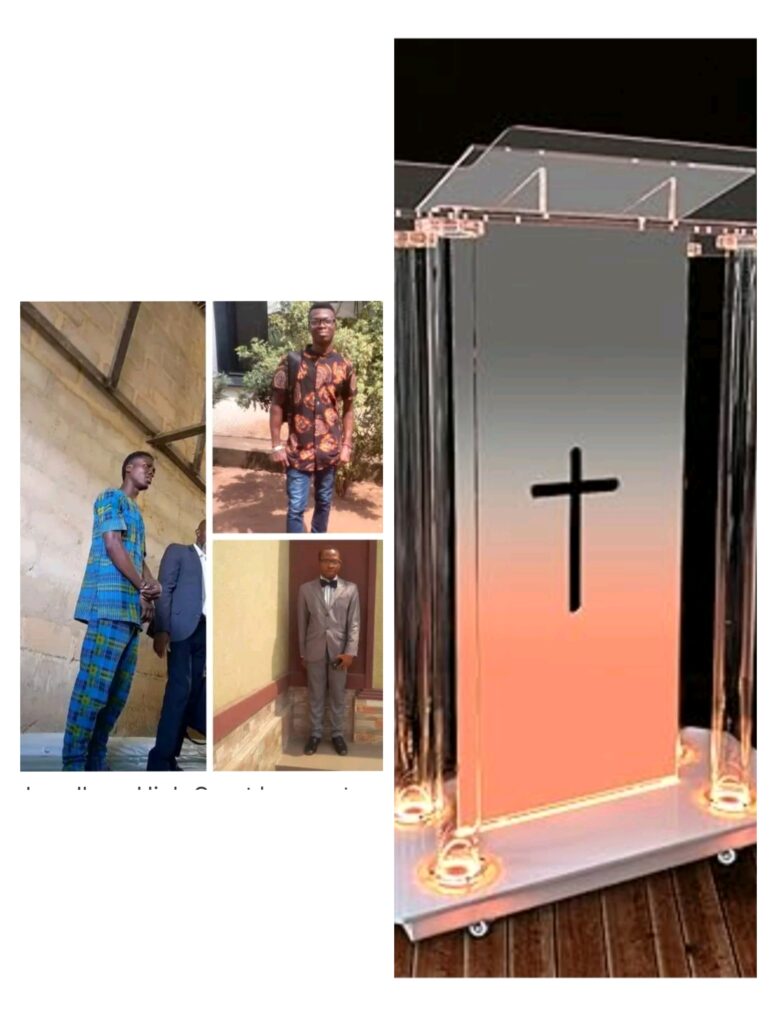
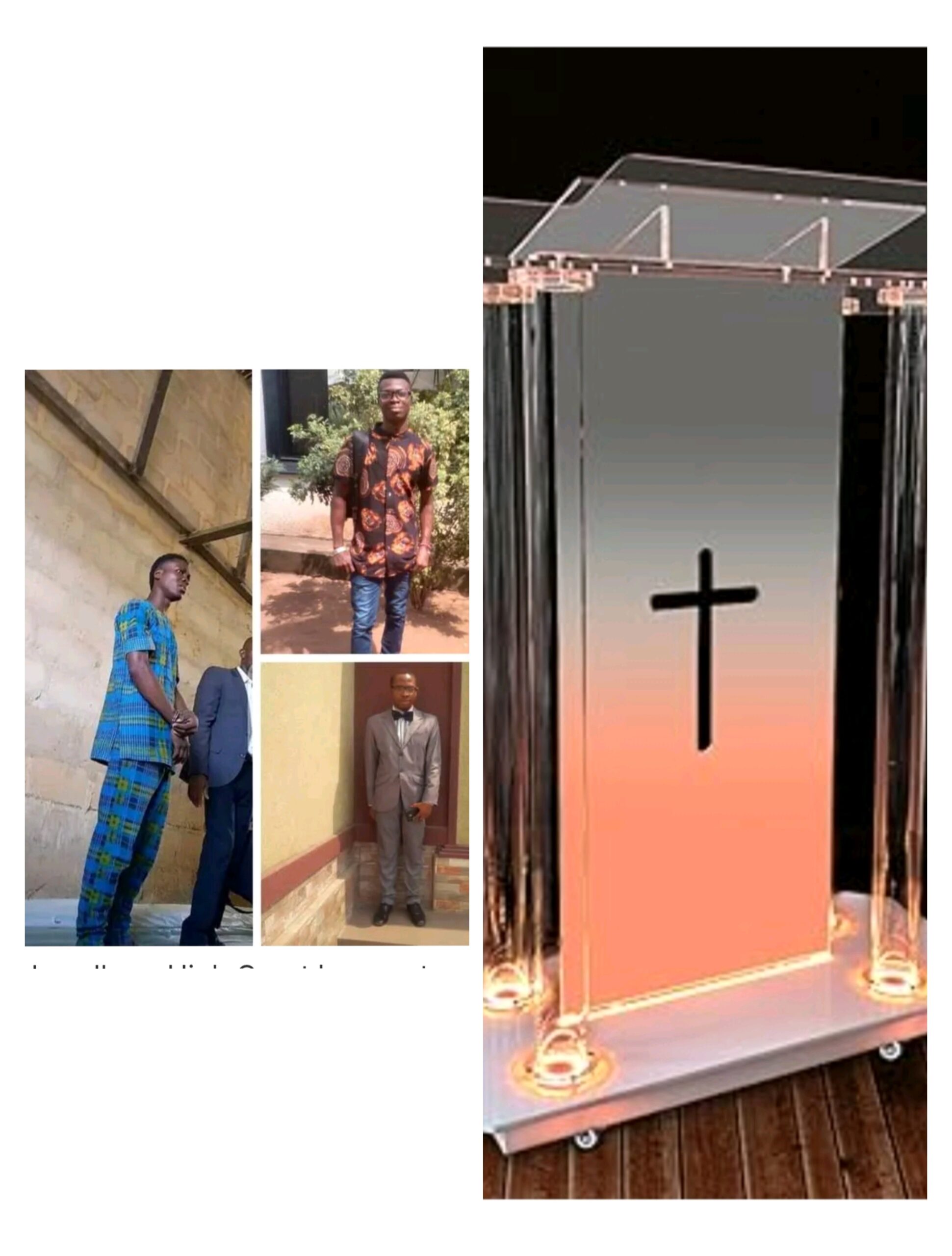
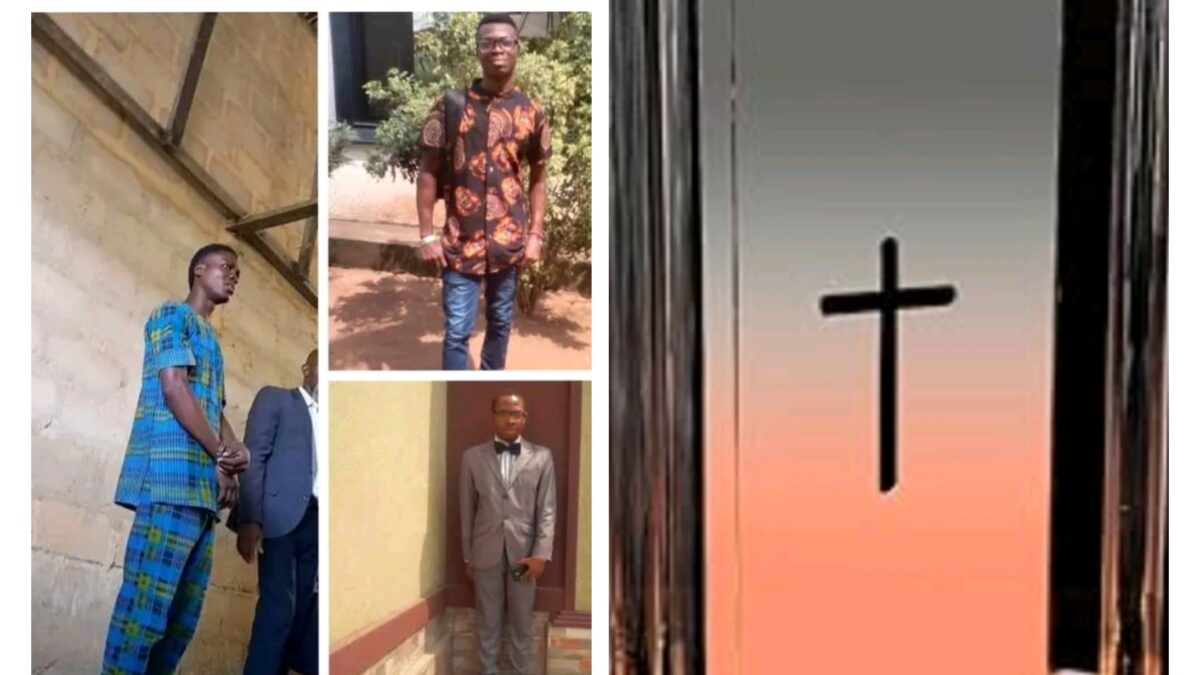
Last week, a High Court in Uyo, the Akwa Ibom State capital, delivered a judgment that sent ripples across Nigeria’s moral and religious landscape. A pastor of Living Faith Church Worldwide popularly known as Winners Chapel , Prince Emmanuel Umoh, was sentenced to death by hanging for the murder of his landlord, Gabriel Bassey Edward.
Gabriel was no ordinary young man. At just 23, he was a final year student of Engineering of the University of Uyo,a first class brain as his final results showed— a shining light, a promise of excellence, a symbol of hope in a country where brilliance often struggles against adversity. His life was cut short not by accident, not by illness, but by violence allegedly at the hands of a man who stood behind a pulpit and bore the title “Pastor.”
When I first read the report, I could not contain my tears. They flowed freely — tears of grief, disbelief, and anger. I found myself asking: What kind of country is this? How did we get to a point where those clothed in spiritual authority could allegedly cloak themselves in deception and bloodshed? Who gives any man the audacity to destroy what he did not create?
The court found Prince Emmanuel Umoh guilty of murdering Gabriel after the young landlord reportedly demanded rent for a space leased to the pastor for church activities. According to reports, Gabriel’s body bore evidence of violence, and despite alleged visible traces of blood, the pastor initially denied involvement.
For four years, the wheels of justice turned slowly, as they often do in Nigeria. But they turned. And when the judgment finally came, it brought with it something rare in our justice system: a measure of closure.
Justice Delayed, But Not Denied
In a nation where court cases drag on endlessly and victims’ families often lose hope, this verdict stands as a reminder that the judiciary, despite its imperfections, can still rise to its constitutional duty. Justice may have been delayed, but it was not denied.
The significance of this judgment goes beyond the conviction of one man. It reinforces a fundamental principle: no one is above the law — not even a pastor.
In Nigeria, religious leaders occupy a sacred social space. They are counsellors, mediators, moral guides, and often the first port of call in times of distress. Their words shape opinions. Their prayers inspire hope. Their endorsements influence politics and business. In many communities, questioning a “man of God” is akin to questioning God Himself.
That is precisely why this case is so unsettling.
When a spiritual leader is convicted of murder, the shock is not merely legal, it is existential. It shakes faith, not necessarily in God, but in human intermediaries who claim divine mandate.
The Dangerous Myth of Spiritual Immunity
There is a troubling culture in parts of our society: the myth of spiritual immunity. The belief that religious leaders, by virtue of their calling, are incapable of grave wrongdoing. This illusion has shielded many from scrutiny and emboldened some to abuse power.
Let us be clear: the pulpit does not confer moral infallibility.
History has shown that leaders of faith-based organisations can and do commit crimes. Nigeria has witnessed allegations ,and in some cases convictions involving fraud, sexual abuse, ritual killings, and financial exploitation. The difference in this Uyo case is not that it is the first of its kind, but that it resulted in a capital conviction.
The symbolism matters.
When the court pronounced a death sentence, it sent a message louder than any sermon: the robe of a pastor cannot shield a murderer from accountability.
A First-Class Mind Wasted
Perhaps the most painful dimension of this tragedy is the loss of Gabriel himself. A first-class Engineering graduate represents years of sacrifice by parents, teachers, and the young man himself. In a country striving for technological advancement and industrial growth, such minds are national assets.
To extinguish such a life over rent — a dispute that could have been resolved legally is not just criminal; it is irrational, tragic, and deeply disturbing.
If there were disagreements, the court was there. Negotiation was an option. Even relocation was possible. Why then resort to irreversible violence?
This is where the broader societal questions arise. What desperation, anger, entitlement, or hidden motive could drive a tenant to allegedly murder his landlord? Was it pride wounded by demand? Financial distress masked by ego? Or something darker still?
While only the convicted truly knows the full truth, the act itself reflects a disturbing erosion of respect for human life.
The Hangman’s Noose and Executive Reluctance
Yet, even as the judgment was delivered, another question lingered in my mind: Will the sentence be carried out?
Nigeria retains capital punishment in its laws, but executions have become increasingly rare. Many state governors who must sign death warrants have declined to do so, citing moral, religious, or human rights concerns.
This creates a complex dilemma.
On one hand, there is growing global advocacy against the death penalty. On the other, there is the anguish of victims’ families who see capital punishment as the ultimate form of justice for heinous crimes.
Whether one supports or opposes the death penalty, one thing is clear: the law must not be selective. If death by hanging remains on the statute books, its application should not depend on sentiment or political calculation. If it is morally objectionable, lawmakers must debate and amend the law.
What should never happen is a situation where sentences are pronounced but never executed, leaving justice suspended in ambiguity.
The Reputation of the Church
In cases like this, the name of the church often precedes the individual. Headlines do not simply read “Man Sentenced.” They read “Pastor of Living Faith Church Sentenced.”
This underscores the heavy responsibility faith-based organisations bear in screening, supervising, and disciplining their leaders.
Ordination must not be reduced to charisma, eloquence, or the ability to attract crowds. Character assessment must be rigorous. Background checks must be thorough. Continuous accountability structures must exist.
The Church, as an institution, must guard its moral capital jealously. One rogue leader can damage the credibility built over decades.
It is important to state that the crimes of an individual should not define an entire denomination. Living Faith Church Worldwide is a global ministry with millions of adherents. The alleged actions of one pastor do not invalidate the faith of countless worshippers.
However, institutions must recognise that public trust is fragile. Vigilance is not optional; it is essential.
A Word to Worshippers
There is also a lesson here for congregants.
Reverence must not replace reason.
Spiritual authority should not silence critical thinking. If a leader’s actions raise red flags — financial opacity, aggressive behaviour, manipulative tendencies , members must not dismiss them as “tests of faith.”
Being vigilant is not rebellion; it is wisdom.
Blind loyalty has cost many their finances, dignity, and in some tragic cases, their lives. Faith does not require surrendering discernment.
Beyond Religion: The Rule of Law
Ultimately, this case is not only about religion. It is about the rule of law.
It is about a society declaring that titles do not excuse crime. That status does not cancel consequences. That justice, though slow, still breathes.
In a climate where many Nigerians feel disillusioned by corruption, insecurity, and delayed justice, this judgment provides a flicker of reassurance. It tells the ordinary citizen — the tenant, the landlord, the student, the trader that the law can still speak with authority.
Gabriel’s life cannot be restored. His parents’ tears cannot be erased. His unrealised dreams cannot be resurrected. But accountability, imperfect as it may be, affirms his humanity.
A Sobering Reflection
As I reflect on this tragedy, I return to the questions that first flooded my mind: What kind of country is this? Why do some who preach holiness allegedly practice harm? Who gave any man the power to kill?
Perhaps the more important question is this: What kind of country do we want to become?
One where titles intimidate justice?
Or one where justice stands unshaken by titles?
The Uyo judgment answers, at least in this instance, that the scales of justice can still balance even when the accused stands behind an altar.
May this case serve as a warning to those who hide behind sacred garments to commit profane acts. May it serve as comfort to victims who fear the powerful. And may it remind us all that leadership — especially spiritual leadership is a sacred trust, not a shield for impunity.
On the Frontline, we must say it plainly: when the altar becomes a crime scene, justice must become the sermon.
And last week in Uyo, it did.
On the Frontline With Boma is published by The Port Harcourt Telegraph Newspaper authored by the Managing Editor
When the Altar Becomes a Crime Scene: The Uyo Judgment and the Burden of Justice