
On The Frontline With Boma
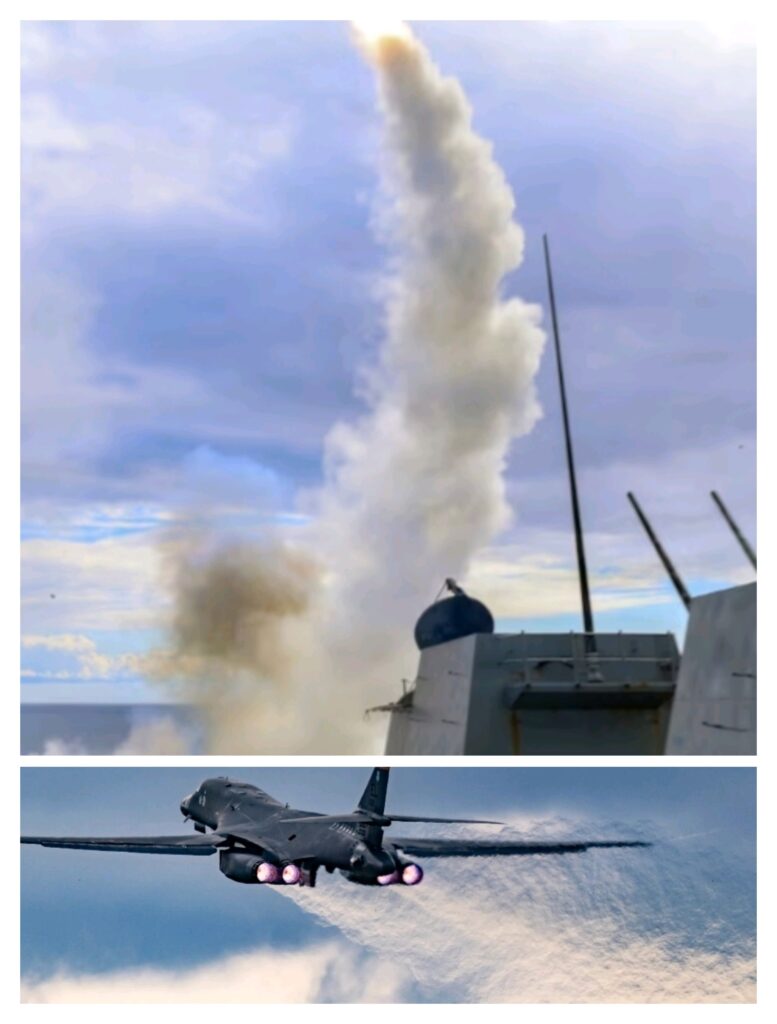
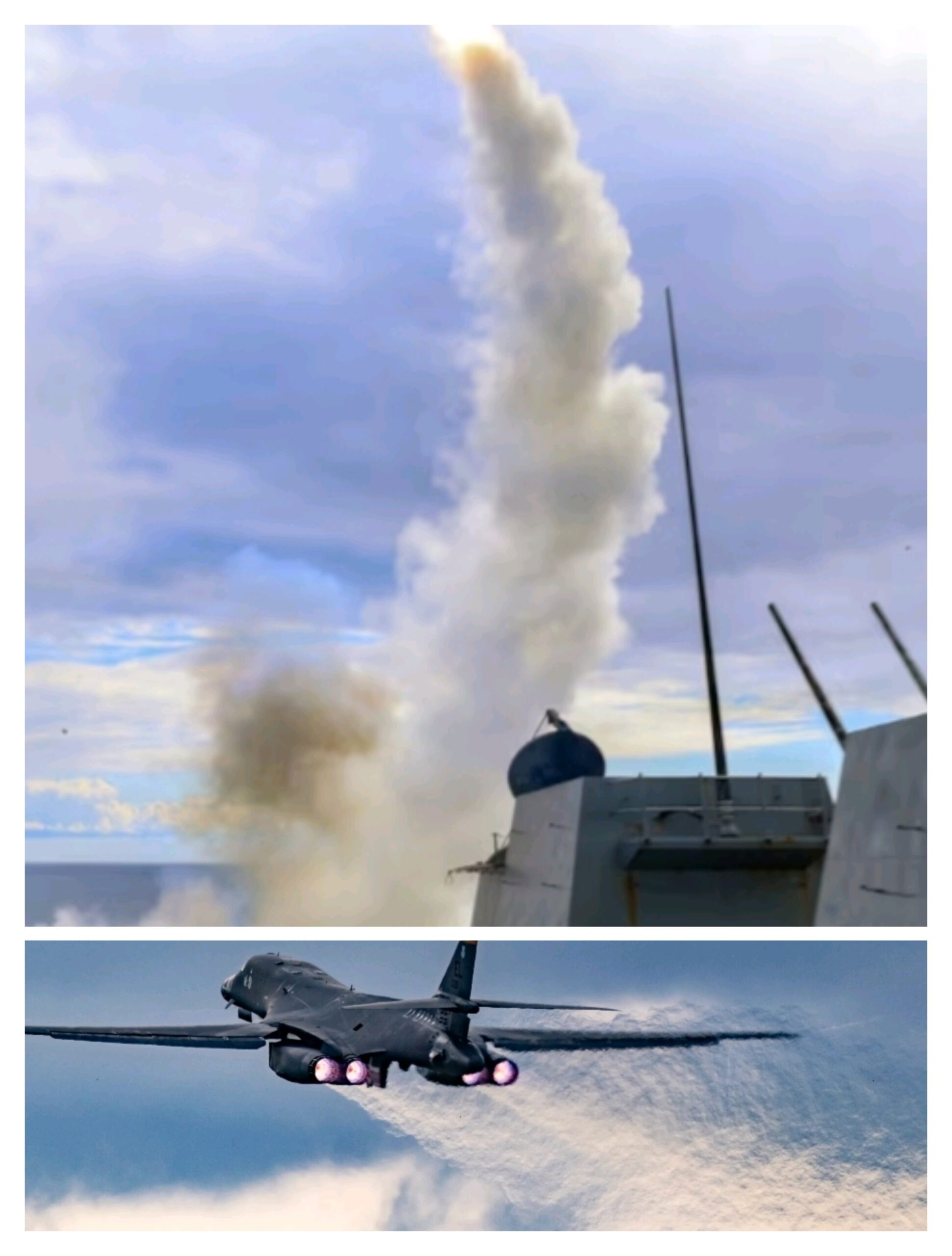
There are moments in history when the timing of an action speaks louder than the action itself. War, by its very nature, is tragic, but when it erupts in a season globally revered for restraint, repentance, and reflection, it assumes an even darker symbolism. The reported bombardment of Iran by the United States and Israel on February 28, 2026, coming just days into the sacred observances of Lent for Christians and Ramadan for Muslims, is one such moment that leaves the conscience of humanity deeply troubled.
I must confess from the outset: I am not a lover of war. I never have been. I belong to that shrinking constituency of individuals who believe that even the harshest disagreements among nations can and should be resolved through painstaking dialogue rather than destructive confrontation. War, in most cases, is not just the failure of diplomacy—it is the abandonment of our shared humanity. While I recognize that certain crimes—terrorism, kidnapping, armed robbery may demand firm and even forceful responses, the resort to full-scale military aggression between nations raises far more troubling questions than it answers.
The involvement of two global powers—the United States and Israel in a military offensive against Iran is a development that many observers, myself included, are still struggling to fully comprehend. Each of these nations, in its own way, lays claim to deep religious heritage. The United States broadly identifies with Christianity, Israel is the historic homeland of Judaism, while Iran is an Islamic republic predominantly adhering to the Shia tradition of Islam. These are not merely political entities; they are societies deeply rooted in faith traditions that, at their core, preach restraint, compassion, and reverence for life.
It is precisely for this reason that the timing of this war is as troubling as the war itself.
Lent, which began on February 18, 2026, in the Christian calendar, is not just a ritual of fasting; it is a deeply spiritual period that calls for introspection, repentance, sacrifice, and compassion. It is a time when Christians reflect on the suffering of Jesus Christ from His temptation in the wilderness to His crucifixion—events that underscore the virtues of humility, forgiveness, and love even in the face of injustice.
Similarly, Ramadan, observed by Muslims worldwide during this same period, is a sacred month dedicated to fasting, prayer, charity, and spiritual growth. It is a time when adherents are called to exercise self-restraint, extend kindness to others, and draw closer to God through acts of devotion and humanity.
Against this backdrop, the eruption of bombs, the destruction of cities, and the loss of innocent lives present a jarring contradiction—one that cannot be easily reconciled.
What does it say about our world when nations that profess faith choose a season meant for spiritual renewal to unleash instruments of destruction? What message does this send to the millions of faithful observers who, during this period, are striving to become better versions of themselves?
The implications are profound.
For practitioners of faith, this development risks eroding the moral authority of religious teachings in global affairs. When nations that identify with religious values act in ways that appear to contradict those very principles, it creates a dissonance that can lead to cynicism, especially among younger generations. If sacred seasons can be overshadowed by strategic military decisions, then what remains sacred?
For families directly affected by the conflict, the consequences are far more immediate and devastating. Reports of casualties, including innocent schoolchildren caught in the crossfire, paint a heartbreaking picture. These are not combatants. They are not policymakers. They are simply victims of circumstances beyond their control. The destruction of infrastructure—homes, schools, hospitals can, over time, be repaired or rebuilt. But the loss of human life is irreversible. A child killed in war is not just a statistic; it is a future erased, a dream extinguished, a family forever broken.
One cannot help but ask: what crime did these children commit to deserve such a fate?
War also leaves invisible scars—psychological wounds that may take decades to heal, if they ever do. For those who survive, the trauma of witnessing violence, losing loved ones, and living in constant fear becomes a lifelong burden. These are the untold costs of war—the ones that do not make headlines but shape generations.
Beyond the immediate human toll, the geopolitical and economic implications of this conflict are equally concerning. The Middle East has long been a region of strategic importance, and any escalation of hostilities carries the risk of wider destabilization. Already, there are murmurs of rising global inflation, disruptions in energy supply, and increased geopolitical tension. In an interconnected world, no nation is immune to the ripple effects of such conflicts.
There is also the looming fear—one that many are reluctant to voice but cannot ignore that such a confrontation could spiral into a broader global conflict. History has shown us how quickly regional wars can escalate into world wars when alliances are triggered and tensions spiral out of control. The mere possibility of a third world war is enough to warrant urgent reflection and immediate de-escalation.
It is in moments like this that global leadership is tested—not just in terms of military capability, but in moral courage. The decision by the United States to reportedly suspend further attacks offers a glimmer of hope. But hope, in this context, must be translated into concrete action. A pause in aggression must lead to a permanent cessation of hostilities, not merely serve as an interlude before further escalation.
Israel and Iran, too, must recognize the gravity of the moment. Retaliation may satisfy short-term strategic objectives, but it often perpetuates a cycle of violence that becomes increasingly difficult to break. True strength lies not in the ability to wage war, but in the wisdom to pursue peace even when it is politically inconvenient.
International bodies, including the United Nations, must rise to the occasion. Their role as mediators and peacekeepers is more critical now than ever. Silence or inaction in the face of escalating conflict only emboldens further aggression.
The United States, long regarded by many as a stabilizing force in global affairs, must also reflect on its role in this crisis. Leadership on the world stage carries with it a responsibility not just to national interests, but to global stability and human welfare. Being a “big brother” to the world is not merely about power,it is about restraint, wisdom, and the ability to act as a force for peace.
Faith, in its truest sense, calls for reconciliation, not destruction. The Christian message centers on love, forgiveness, and the reconciliation of humanity with God. Islam emphasizes peace, compassion, and the sanctity of life. Judaism upholds justice, mercy, and the value of human dignity. These are not abstract ideals; they are guiding principles meant to shape human behavior especially in moments of conflict.
To act in ways that contradict these principles during their most sacred observances is to undermine the very foundations upon which these faiths stand.
As ordinary observers of global events, many of us feel a sense of helplessness. We watch images of destruction on our television screens, families weeping, cities in ruins, lives shattered and we wonder what, if anything, we can do. These images do not simply disappear when the screen goes dark; they linger in our minds, forming a painful mental archive of human suffering.
This is the price of war—not just for those directly involved, but for all of humanity.
And so, the question before us is not just about strategy or geopolitics. It is a moral question. It is a question about the kind of world we want to live in and the values we choose to uphold.
Must war always be the answer?
Or can we, even in the most challenging circumstances, choose a different path?
As this sacred season continues, there is still an opportunity perhaps a narrow one, but an opportunity nonetheless for reflection, repentance, and redirection. The guns can fall silent. The bombs can cease. Dialogue can begin.
But it requires courage—the kind of courage that goes beyond the battlefield.
In the end, history will not only remember who fought and who won. It will remember who chose peace when war seemed inevitable. It will remember who valued human life over strategic advantage.
For the sake of our shared humanity, one can only hope that such choices are made, and made now.
Because no season of reflection should ever become a season of regret.
On the Frontline With Boma is published by The Port Harcourt Telegraph Newspaper authored by the Managing Editor
Bombs in a Season of Reflection: The US–Israel War on Iran and the Cost to Humanity