
On The Frontline With Boma
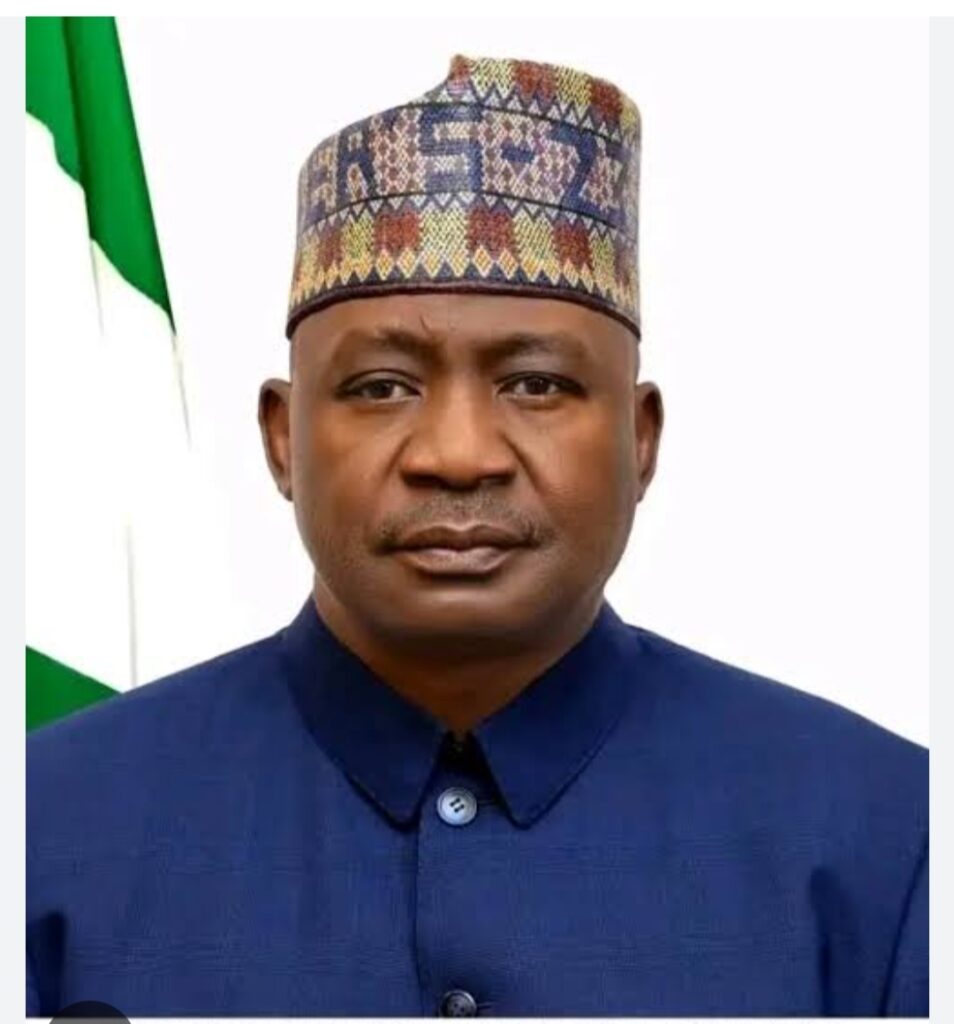
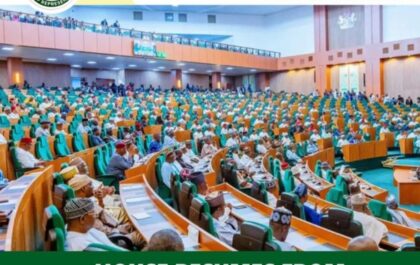
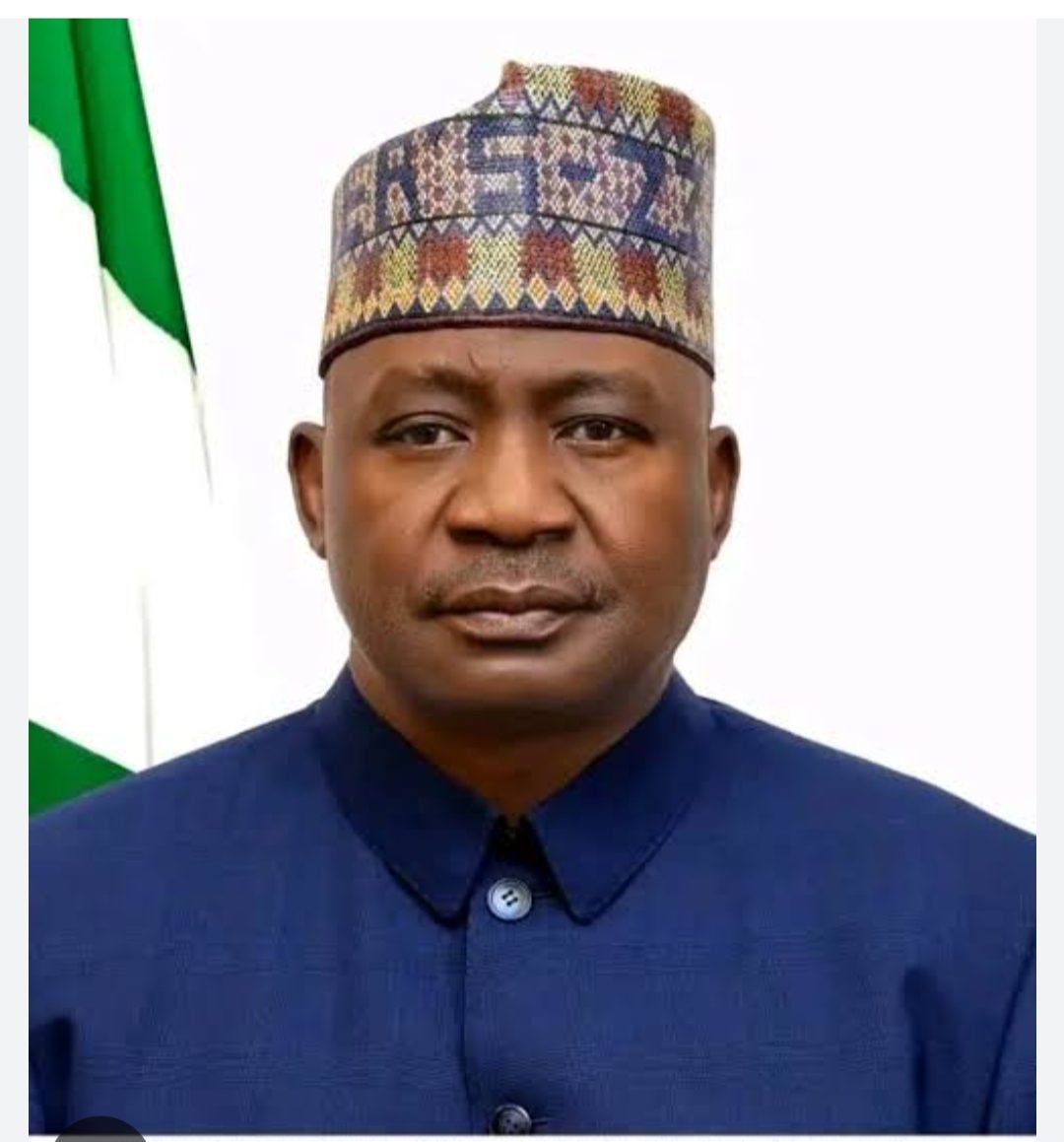
Watching the Senate screening of General Christopher Musa on December 3, 2025, I could not help but be struck by the poise and brilliance of a man who has devoted his life to Nigeria’s security. From the moment he assumed the role of Chief of Defence Staff in 2023, he faced a nation besieged by terrorism and banditry, particularly in the Northern states, where innocent lives were being taken with shocking regularity.
Coming from Southern Kaduna, a region that has known the pain of banditry and kidnapping, Musa carried with him a personal understanding of the stakes involved. He never lost sight of the human cost of insecurity and consistently prioritized civilian protection in all his military operations.
During his tenure, reports of terrorist captures and neutralizations often made headlines, signaling the effectiveness of his strategies. Yet, despite his accomplishments, Musa was removed from his post mid-career under circumstances that remain opaque, leaving many to wonder why a soldier of his caliber was dismissed at the very peak of his abilities.
His ouster coincided with a period of heightened international attention. Even U.S. President Trump spoke of Nigeria as a country of strategic interest. The timing of Musa’s removal during such scrutiny has only fueled speculation about the internal politics surrounding security leadership in the country.
As I watched the Senate screening, which was described by Senate President Godswill Akpabio as the longest in history, I found myself glued to my television, unwilling to miss a single detail. Musa’s composure and articulation were extraordinary, and it was clear that he had anticipated the range of questions the Senators would ask.
He responded with clarity, depth, and intelligence, demonstrating a rare combination of military acumen and strategic thinking. Each time he spoke, he seemed to flow effortlessly, making complex security issues understandable for every observer.
Musa’s belief that Nigeria can win the war against terrorism was both refreshing and inspiring. He explained why the conflict persists, pointing to gaps in intelligence, coordination challenges, and policy inconsistencies—issues often compounded by political interference.
It is unfortunate that Nigeria has, over the years, placed inexperienced individuals in charge of critical ministries, giving terrorists an unintended upper hand. Musa’s tenure serves as a reminder that leadership should be based on experience and competence rather than political expediency.
He emphasized the importance of intelligence-led operations, strategic planning, and careful engagement with local communities—approaches that have proven effective in counter-terrorism campaigns worldwide. His understanding of modern warfare went beyond firepower; it included psychological strategy, community collaboration, and minimizing civilian harm.
Watching Musa speak, I was reminded that true leadership in times of crisis demands trust—trust among soldiers, trust among civilians, and trust in one’s own judgment. Musa embodies all these qualities.
He drew lessons from global experiences, from the United States to Israel, and applied them to Nigeria’s context. Unlike many leaders before him, he understood that military success requires more than brute force; it demands strategy, foresight, and ethical conduct.
Musa also addressed the issue of kidnappings and ransom payments, highlighting the cycle of violence that sustains terrorism. His implicit support for policies against ransom payments aligns with his stance as new Defence Minister, offering hope for a strategic shift in how the country confronts these crimes.
Throughout the screening, Musa demonstrated that collaboration between the military and local communities is essential. He emphasized the need for civilians to be active partners in security, understanding that soldiers alone cannot solve the crisis.
The Senate’s thorough scrutiny was also a testament to the importance of oversight in national security. By probing Musa’s knowledge and strategies, the lawmakers reinforced the principle that accountability strengthens, rather than weakens, our defense institutions.
What stood out most was Musa’s ability to communicate complex military strategies in a simple, compelling way. His clarity inspired confidence in both policymakers and ordinary citizens, showing what leadership should look like in times of national crisis.
His tenure, though cut short, remains a source of national pride. Musa is a soldier who serves the people, not politics, and his actions reflect a commitment to the welfare and safety of ordinary Nigerians.
As a new Defence Minister committed to ending ransom payments and improving criminal tracking, Musa’s strategic approach signals the dawn of a new era in Nigeria’s fight against terrorism.
His experiences also remind us that effective military leadership is about more than battles won on the ground; it is about strategy, ethics, intelligence, and the humane treatment of civilians.
To win the war against terrorism, Nigeria must fully support leaders like Musa, providing them with the autonomy, resources, and political backing necessary to execute their strategies.
Enough is enough. Enough killings, enough terror, enough ransom payments. Nigerians deserve safety, justice, and leadership that puts their lives first.
Musa’s career underscores the urgent need for meritocracy in security appointments. Experience and competence must always take precedence over political convenience.
Watching him respond to questions about strategy, intelligence, and civilian protection, I was reminded that Nigeria has the talent and skill to confront terrorism effectively; the challenge lies in allowing such talent to flourish.
General Musa’s vision is clear: a Nigeria where citizens can live without fear, where terrorists are tracked and neutralized, and where security operations are conducted professionally and ethically.
He is a soldier for the people, a leader who understands the true cost of insecurity, and a man whose career offers a blueprint for what Nigerian leadership in the security sector should look like.
His removal from office was a national loss, but his continued commitment to the country demonstrates his resilience and dedication. Nigeria would be wise to listen to his counsel and support his initiatives.
The nation now stands at a crossroads. By supporting leaders like Musa and committing to professional, intelligence-driven security strategies, Nigeria can finally tilt the balance against terrorism.
General Christopher Musa is not just a soldier; he is a symbol of hope, competence, and courage in a country too often plagued by insecurity and poor leadership choices.
As citizens, it is our responsibility to demand and support leadership that is competent, ethical, and committed to the people. Musa’s example shows that with the right leadership, Nigeria can indeed win the war against terrorism.
On The Frontline With Boma is published by The Port Harcourt Telegraph Newspaper authored by the Managing Editor .